Every skincare consultation starts the same way. Someone sits down, describes their skin concerns, and then says — almost without exception — I just want glass skin. And then, almost immediately: But is that even possible for me? I'm not Korean.
The answer is yes. Completely, unreservedly yes. And in this article I am going to show you exactly how — not with a ten-step routine full of products you will never finish, but with three targeted ingredients, one method, and the kind of consistency that actually changes skin.
This is the skincare ritual that works.
Quick Answer
Glass skin is achievable for every skin tone, every age, and every skin type. You need three things: a brightening serum (Vitamin C or Niacinamide), a chemical exfoliant (AHA or BHA depending on your skin type), and Retinol used consistently. These three ingredients, layered correctly into a morning and evening routine, are what create an even-toned, hydrated, luminous complexion — the glass skin effect — in six to eight months of consistent use.
Key Takeaways
- ✓Glass skin is not about skin colour — it is about even tone, hydration, and texture.
- ✓You need only 3–4 active ingredients beyond your cleanser, moisturiser, and SPF.
- ✓The HER Method (Hydrate, Exfoliate, Retinol, Repeat) is the framework that delivers results.
- ✓Vitamin C and Niacinamide are your brightening options — you do not need both.
- ✓Chemical exfoliants should be used 1–2 times per week, never daily.
- ✓Retinol is the single most transformative ingredient — start low, progress slowly.
- ✓Sunscreen is non-negotiable — every single day, indoors and outdoors.
- ✓Results take 6–8 months of consistent use — skin care is a marathon, not a sprint.
In This Article
- What Is Glass Skin?
- Can Indian and South Asian Skin Get Glass Skin?
- The Three Things You Actually Need
- Your Morning Skincare Ritual
- Your Evening Ritual — The HER Method
- Choosing Your Brightening Ingredient
- Choosing Your Exfoliant
- The Retinol Progression Guide
- The Sunscreen Rule
- How Long Does It Take?
- Common Mistakes That Slow Your Progress
- Skincare Ritual Checklist
- FAQ
What Is Glass Skin? (And What It Is Not)

Glass skin — even tone, deep hydration, and that lit-from-within glow
Glass skin is a K-beauty term for a complexion so hydrated, smooth, and evenly-toned that it catches light the way polished glass does — luminous, poreless, and lit from within.
Glass skin has two prerequisites: even tone — no patches of hyperpigmentation, post-acne marks, or uneven colour distribution — and hydration. Skin that is well-moisturised reflects light softly and evenly. Skin that is dehydrated or excessively oily does not.
Glass Skin Is NOT:
- ✗Lighter skin
- ✗Filtered skin
- ✗A skin type you are born with
- ✗Something that requires 10+ products
- ✗Exclusive to Korean or East Asian skin tones
The glow you are trying to achieve comes from the inside out — from a healthy, hydrated skin barrier that is clear of texture and pigmentation. That is a product of skincare habits, not genetics.
Can Indian and South Asian Skin Get Glass Skin?
Yes — and here is something the algorithm rarely tells you. Indian skin (Fitzpatrick types III–V) is inherently primed for glass skin. Higher melanin concentrations give deeper skin tones a natural luminosity and resilience that lighter skin simply does not have. Research published in the Journal of Investigative Dermatology has shown that melanin-rich skin also tends to have a stronger natural barrier function — meaning the glow you build through hydration sits on an already stronger canvas.
The real task is not fixing Indian skin. It is amplifying what is already there.
⚠️ PIH Risk
When skin with higher melanin content experiences inflammation from acne or over-exfoliation, it is more likely to leave a dark mark. Your brightening and exfoliation steps are especially important.
🌡️ Climate Considerations
Heat and humidity mean your routine needs to be lighter. Gel moisturisers, lightweight serums, and non-greasy SPFs are essential.
⚡ Over-Exfoliation Risk
Limit chemical exfoliation to 1–2 times a week. Active acne or fresh PIH spots can worsen with too many acids. Never skip SPF the next morning.
The Three Things You Actually Need
Here is the honest, no-product-overload answer to glass skin. Your foundation — the non-negotiables — is a cleanser, moisturiser, and SPF. Everything else builds on top. If you prefer making your own toner, our guide to 5 DIY toner recipes includes the viral fermented rice water toner and the best options for every skin type. Beyond that foundation, you need exactly three types of active ingredients:
| Active | What It Does | When to Use |
|---|---|---|
| Brightening Serum | Even skin tone, reduce pigmentation | Morning |
| Exfoliant | Remove dead skin, smooth texture | Evening (1–2x per week) |
| Retinol | Texture, tone, anti-ageing, glow | Evening (3–4x per week) |
That is it. Three categories. Most people need to add nothing else.
Your Morning Skincare Ritual
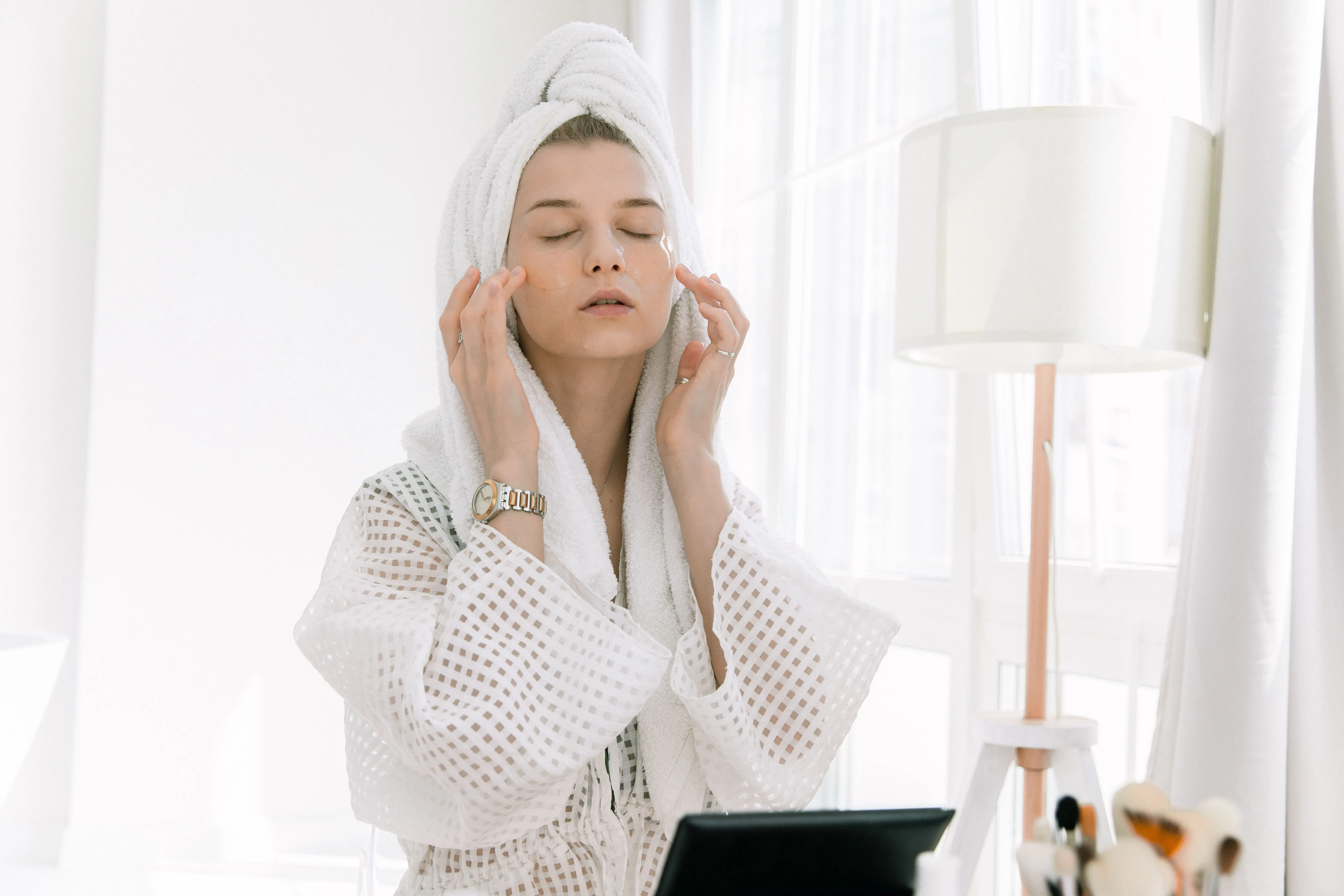
The morning ritual — four intentional steps that protect and brighten
Skin health does not happen in isolation from the rest of your life — our guide to the low cortisol morning routine explains how stress hormones directly affect skin clarity and why a calm morning is part of any glass skin ritual.
Cleanse
Use your regular cleanser. Keep it gentle. A cleanser's job is to remove what accumulated overnight and prepare your skin for actives.
Brightening Serum
Apply your Vitamin C or Niacinamide serum. A few drops, pressed gently into the skin. Let it absorb for 30–60 seconds.
Moisturise
A ceramide moisturiser is ideal — with hydrating actives like glycerin, squalane, or hyaluronic acid. No additional hydrating serum is required unless your skin is genuinely very dry.
SPF
Every single day. Rain or shine. Indoors or outdoors. Sunscreen is not optional in a glass skin routine — it is the single thing that protects everything you are building.
Your Evening Skincare Ritual — The HER Method
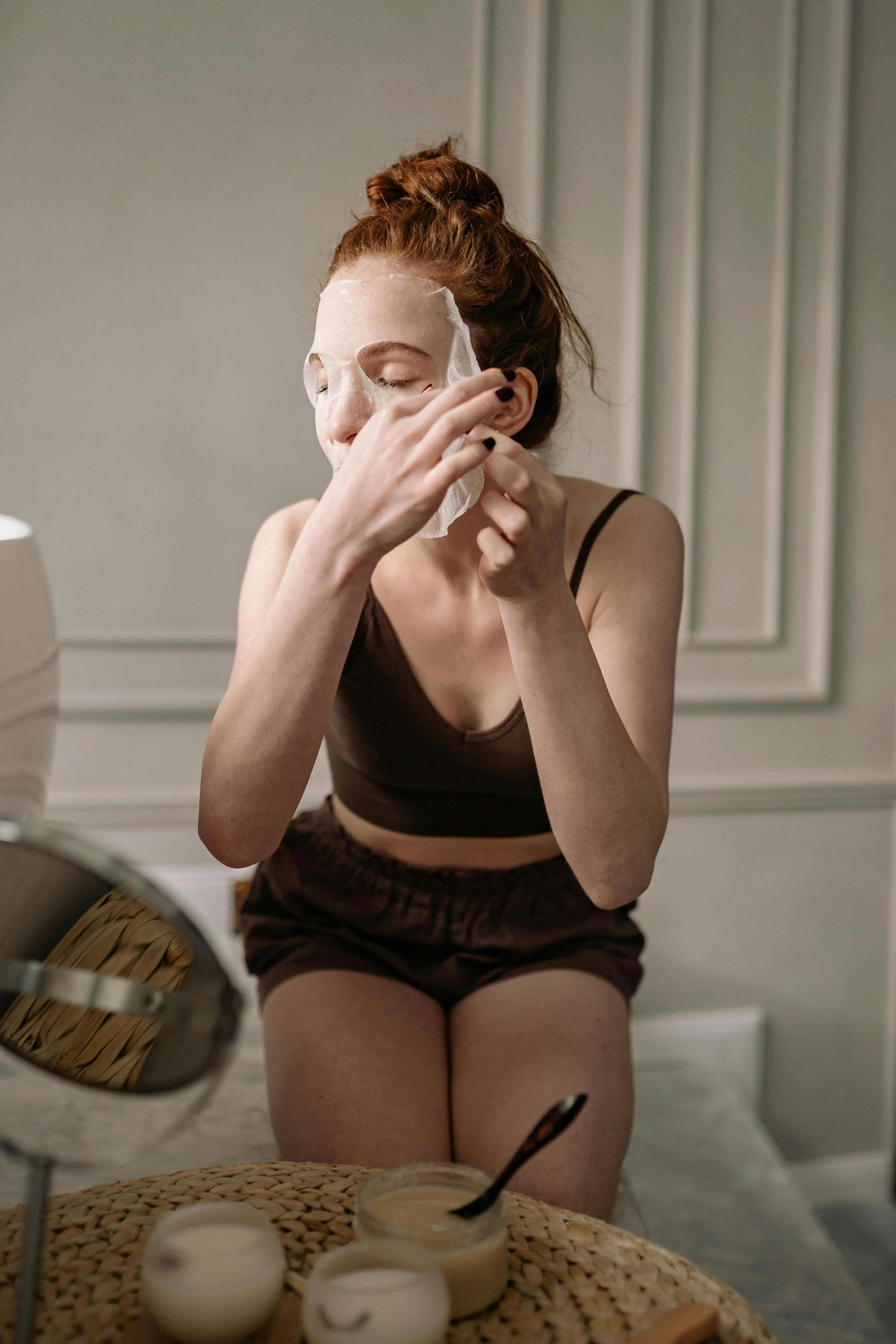
The evening ritual — where glass skin is actually built
The HER Method
Exfoliation Nights (1–2x/week)
- Double cleanse
- Exfoliant (AHA or BHA)
- Niacinamide serum
- Moisturiser
Retinol Nights (3–4x/week)
- Cleanse
- Retinol serum or cream
- Moisturiser
Rest Nights (2x/week)
- Cleanse
- Moisturiser
- Optional: hydrating sheet mask
Rest nights are not laziness. They are essential. The skin needs recovery time from actives just as much as it needs the actives themselves.
Choosing Your Brightening Ingredient
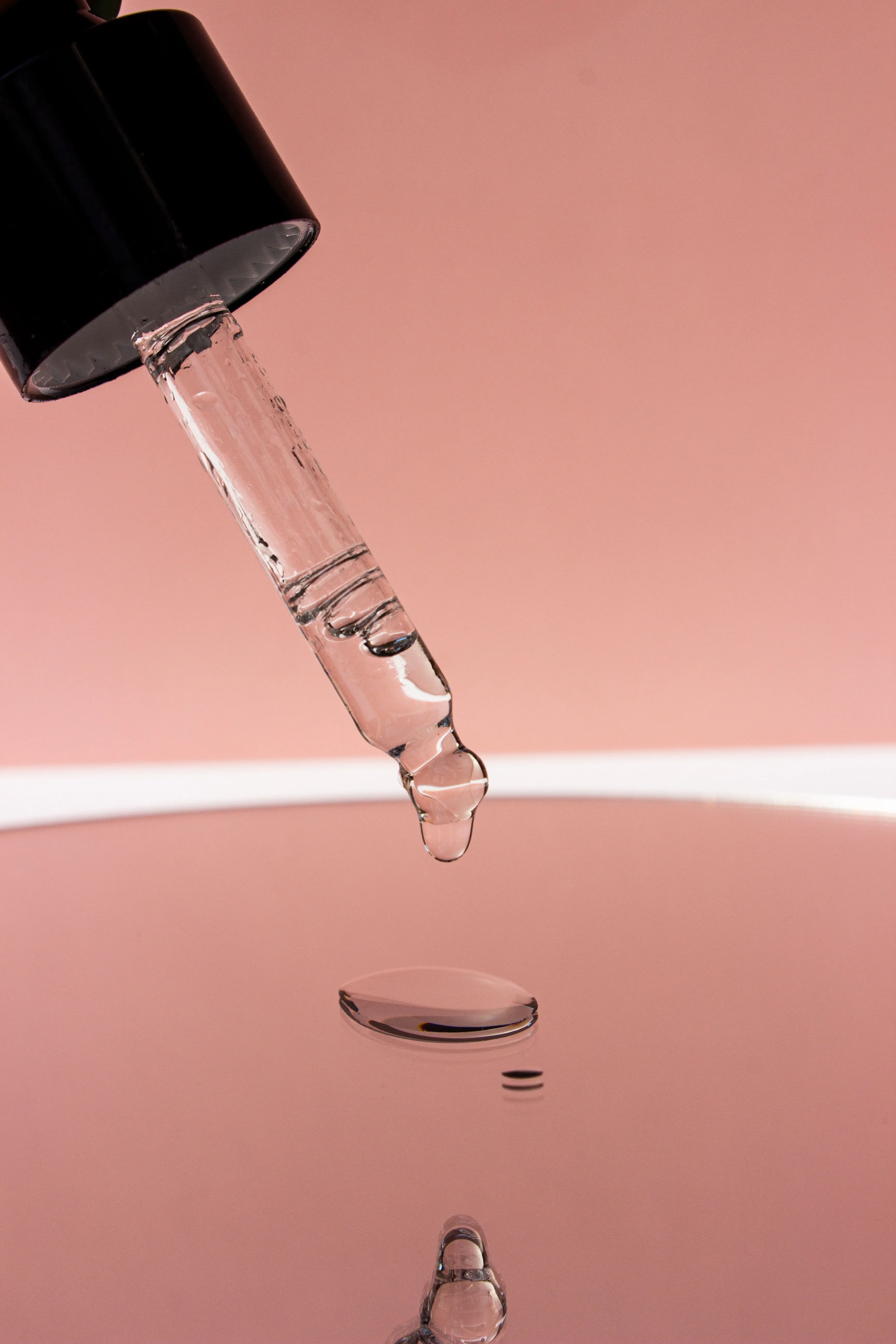
Your brightening serum — the morning step that creates even, luminous skin
The brightening step is what creates an even-toned complexion. You do not need both Vitamin C and Niacinamide — you need one, used consistently.
For a natural complement to your brightening routine, orange peel powder is one of the most underrated DIY skincare ingredients available — our complete orange peel powder guide covers six DIY recipes for glowing skin.
Option 1: Vitamin C
An antioxidant that brightens, protects against environmental damage, and helps fade pigmentation. Available at 5%–20% — start at 5–10% if you are new to it.
Best for: Normal to combination skin, without sensitivity to L-ascorbic acid
Option 2: Niacinamide
Brightens, reduces pigmentation, controls sebum, minimises pores, and strengthens the skin barrier. Gentler than Vitamin C and suits almost every skin type. Available at 5% or 10%.
Best for: Oily or combination skin, sensitive skin
For Hyperpigmentation and Melasma
If you have active pigmentation — dark spots, melasma, post-acne marks — add a depigmenting ingredient alongside your brightening serum.
| Combination | Notes |
|---|---|
| Tranexamic acid + Vitamin C | Excellent for melasma |
| Tranexamic acid + Niacinamide | Gentle + effective |
| Alpha arbutin + Niacinamide | Safe for all skin tones |
| Azelaic acid + Niacinamide | Multi-tasking option |
Choosing Your Exfoliant
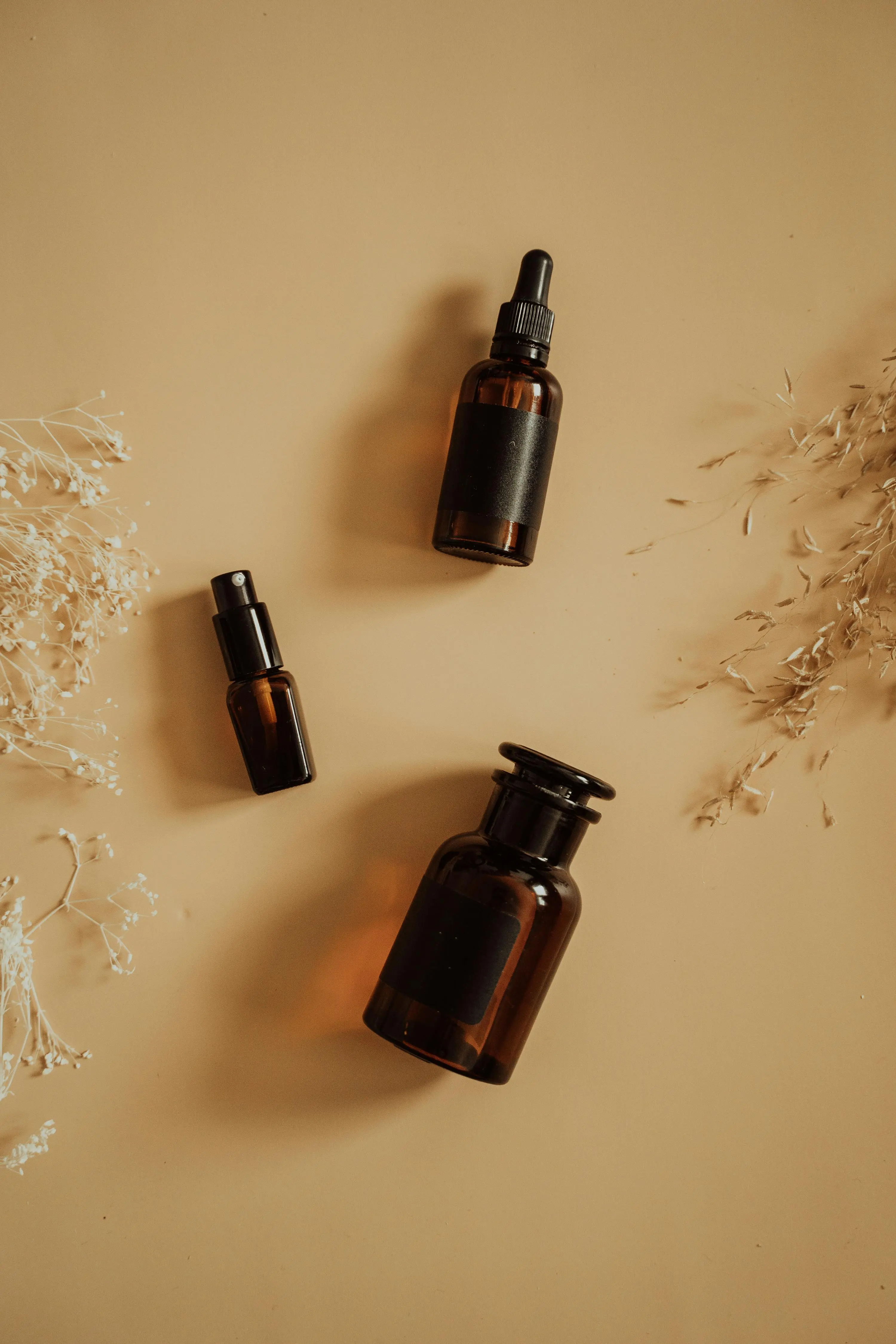
Glass skin ingredients — choosing the right exfoliant for your skin type
Chemical exfoliation is the step that transforms skin texture and tone. But there are two main categories — and using the wrong one for your skin type will slow your progress.
AHAs (Alpha Hydroxy Acids)
AHAs work on the surface of the skin. They remove dead skin cells, smooth texture, improve tone, and are excellent for anti-ageing and brightening.
BHA (Beta Hydroxy Acid)
Salicylic acid is oil-soluble and penetrates into the pores to decongest them. Reduces blackheads, minimises open pores, and prevents breakouts.
Best for: Oily skin, large open pores, acne-prone skin
💡 Have both pore concerns AND want surface brightening? Look for a hybrid AHA + BHA product like The Minimalist 10% AHA + 2% BHA solution.
The golden rule: Use exfoliant 1–2 times per week. Never on the same night as Retinol. Always follow with Niacinamide serum and a moisturiser.
The Retinol Progression Guide
Retinol is the single most transformative ingredient in any glass skin routine. It works on pigmentation, texture, fine lines, pore size, and overall skin clarity — simultaneously. Nothing else does this.
⚠️ Exception: If you are pregnant or breastfeeding, pause Retinol entirely.
| Stage | Example Brands | Concentration | Frequency |
|---|---|---|---|
| Beginner | Neutrogena, L'Oreal | 0.1%–0.2% | 2–3x per week |
| Intermediate | The Minimalist, Anua | 0.3%–0.5% | 3–4x per week |
| Advanced | The Ordinary, The Minimalist | 0.5%–1% | 4–5x per week |
| Retinal | Various Korean brands | Retinaldehyde | 3–4x per week |
| Prescription | Tretinoin (dermatologist) | 0.025%–0.1% | As prescribed |
The Progression Method
Start at beginner level. Use 2–3 times per week. When the tube is roughly half-finished — about 2–3 months in — begin applying remaining product to your neck and body, and order the next concentration. The slower you go, the faster you ultimately get there.
Products Worth Trying
Best budget niacinamide for Indian skin
View on Amazon →Perfect beginner retinol concentration
View on Amazon →The ceramide moisturiser recommended by dermatologists globally
View on Amazon →As an Amazon Associate I earn from qualifying purchases at no extra cost to you.
The Sunscreen Rule
SPF is not a summer-only product. It is not optional for cloudy days. It is not something you skip when you are staying indoors. Sunscreen is what protects every result you build with your actives.
How Long Does It Take?
This is the question everyone wants answered honestly.
| Timeframe | What You Will See |
|---|---|
| 2–4 weeks | Smoother texture, skin feels more hydrated |
| 4–8 weeks | Tone starts to even out, skin looks fresher |
| 3–4 months | Visible reduction in pigmentation, improved clarity |
| 6–8 months | Full glass skin effect — even tone, internal glow, smooth texture |
Skin care is not a sprint. It is a practice — one that compounds over time, like any ritual worth keeping.
Common Mistakes That Slow Your Progress
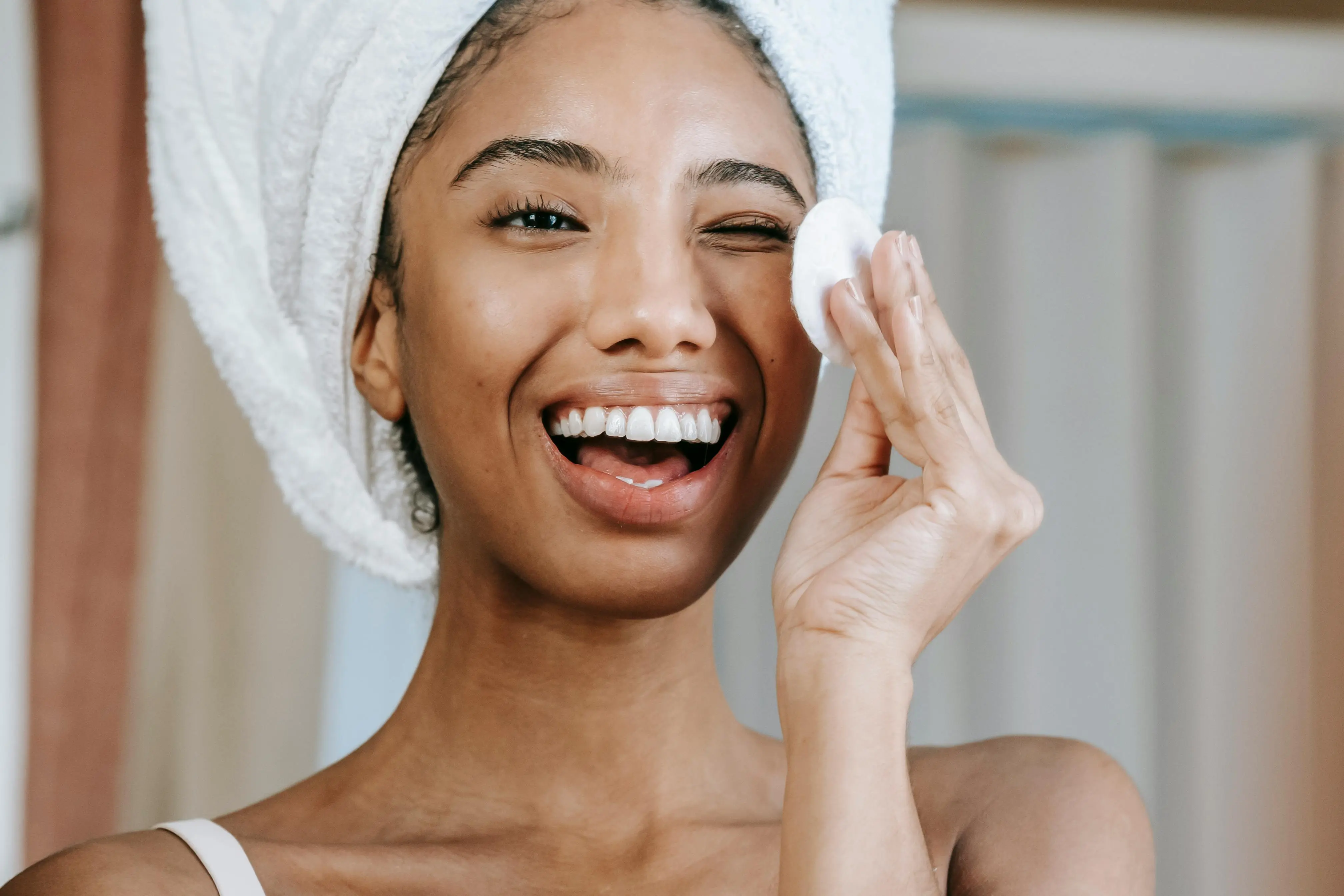
Cleansing correctly — the foundation of every effective glass skin ritual
❌Using too many actives at once
More products does not mean faster results. Layering multiple acids, multiple brightening ingredients, and high-concentration Retinol simultaneously destroys your skin barrier and sets you back months.
❌Skipping rest nights
Your skin needs recovery time. Two rest nights per week are not optional — they are part of the method.
❌Not using SPF consistently
Every time you skip SPF, you are partially undoing the work of your brightening and exfoliation steps.
❌Starting Retinol too high
Start at 0.1% and progress. The slower you go, the faster you ultimately get there.
❌Expecting results in 2 weeks
The viral glass skin in 7 days content is not real. Real skin transformation takes months. The women whose skin you admire have been consistent for a very long time.
❌Over-exfoliating
Limit chemical exfoliation to 1–2 times a week. Active acne or fresh PIH spots can worsen with too many acids.
The Skincare Ritual Starter Checklist
- Cleanser chosen and in routine (morning + evening)
- Brightening serum chosen: Vitamin C OR Niacinamide
- Exfoliant chosen: AHA (glycolic/lactic/mandelic) OR BHA (salicylic)
- Retinol chosen: starting at 0.1%–0.2%
- Ceramide moisturiser in routine
- SPF 50 applied every morning
- Exfoliation scheduled: 1–2 nights per week
- Retinol scheduled: 3–4 nights per week
- Rest nights scheduled: minimum 2 per week
- Committed to 6–8 months of consistency
Frequently Asked Questions
What is glass skin?
Glass skin is a K-beauty term for a complexion that is so hydrated, even-toned, and smooth that it reflects light like polished glass. It is not about skin colour or fairness — it is about clarity, hydration, and texture. The effect is achieved through consistent use of brightening, exfoliating, and retinol-based ingredients alongside a daily SPF.
Can Indian or South Asian skin get glass skin?
Yes — completely. Melanin-rich skin tones (Fitzpatrick III–V) have a naturally stronger skin barrier and a deeper, richer luminosity. The key adjustments are using lighter textures due to heat and humidity, being careful not to over-exfoliate due to higher PIH risk, and prioritising consistent SPF use.
How many products do you need for glass skin?
Beyond your cleanser, moisturiser, and SPF, you need three active products: a brightening serum (Vitamin C or Niacinamide), a chemical exfoliant (AHA or BHA), and a Retinol serum or cream. That is three additional products — not ten.
What is the HER Method?
The HER Method is a skincare routine framework: Hydrate, Exfoliate, Retinol, Repeat. It structures your evening routine across the week — exfoliation 1–2 nights, Retinol 3–4 nights, rest nights 2 nights — so your skin gets consistent active treatment with adequate recovery time built in.
What exfoliant is best for glass skin?
It depends on your skin type. Oily skin with open pores benefits from salicylic acid (BHA). Normal to combination skin does well with glycolic acid. Dry or sensitive skin should use lactic acid or mandelic acid. If you have both concerns, a hybrid AHA+BHA product is ideal.
Does Retinol help with glass skin?
Retinol is the single most important ingredient for glass skin. It works on texture, tone, pigmentation, fine lines, and pore size simultaneously. Start at 0.1%–0.2%, use 2–3 times per week initially, and progress slowly. Most people see significant results within 4–6 months.
How long does it take to get glass skin?
Realistically, 6–8 months of consistent skincare. You will notice texture improvements within 2–4 weeks and tone improvements within 4–8 weeks, but the full glass skin effect takes 6–8 months. This is not a quick fix — it is a practice.
Is glass skin possible without expensive products?
Yes. Brands like The Minimalist, The Ordinary, and Neutrogena offer clinical concentrations of every ingredient you need at accessible price points. Glass skin is about the right ingredients at the right concentration, not expensive branding.
Can oily skin get glass skin?
Yes. Salicylic acid to keep pores clear, Niacinamide to regulate sebum, and a lightweight gel moisturiser are the keys for oily skin types. The natural oil on oily skin can work in your favour — the goal is converting shine from greasy to luminous.
What is the difference between glass skin and dewy skin?
Glass skin is a step beyond dewy. Dewy skin has a soft, healthy shine from hydration. Glass skin adds even tone and smooth texture to that hydration — the skin looks almost translucent and reflective, like polished glass.
Does sunscreen make glass skin look greasy?
It depends entirely on the formulation. Matte-finish SPFs, water-based sunscreens, and gel-formula SPFs sit beautifully without greasiness. If your current sunscreen looks greasy, the solution is a different formulation — not skipping SPF.
At a Glance
The HER Method — Weekly Schedule
| Night | Routine |
|---|---|
| Monday | Retinol night |
| Tuesday | Exfoliation night |
| Wednesday | Rest night |
| Thursday | Retinol night |
| Friday | Retinol night |
| Saturday | Exfoliation night |
| Sunday | Rest night |
*Adjust based on your skin's tolerance. This is a template, not a rule.
Glass skin is not a destination — it is a practice. The consistency of your ritual is the product. Six months from now, you will not be wondering if it works.
— Aayushi Parmar, Pink & Ochre
If you enjoyed this, you might also love our Low Cortisol Morning Routine guide →