Some of the most effective things in your skincare routine do not come in expensive packaging.
Toners sit in an interesting middle ground in most people's routines — they know they probably should be using one, they have seen the TikToks about rice water, and they have definitely winced at the price of that glass bottle at the beauty counter. The gap between knowing toner is good for your skin and actually using one consistently is often just this: cost, confusion, and not being sure what is actually in them. These DIY toners work beautifully as part of a complete glass skin ritual — our HER Method guide shows exactly how to layer them with your actives.
DIY toner solves all three. And it is significantly simpler than most people expect. This is your complete guide to five easy homemade toner recipes — one for every skin type, including the viral fermented rice water toner — plus exactly what each ingredient does, how to use it correctly, and the storage tips that keep your toner safe and effective. If you enjoy making your own skincare, our guide to orange peel powder DIY recipes is worth bookmarking next — natural Vitamin C, gentle exfoliation, and six easy recipes for glowing skin.
Quick Answer
A DIY toner is a homemade skincare solution applied after cleansing to balance your skin's pH, remove remaining residue, prep skin for serums and moisturiser, and deliver targeted ingredients for your specific concerns. The five best DIY toner recipes are: green tea toner (all skin types), rose water and witch hazel toner (sensitive skin), apple cider vinegar toner (oily and acne-prone skin), cucumber and aloe vera toner (dry skin), and fermented rice water toner (all skin types, especially for brightening). All five cost less than $10 to make and last approximately one week refrigerated.
Key Takeaways
- ✓Toner is the second step in skincare — after cleansing and before serum and moisturiser.
- ✓Commercial toners cost $5 to $250 per bottle — DIY versions cost under $10 using ingredients you likely already have.
- ✓The right toner depends on your skin type — not every recipe suits every skin.
- ✓Fermented rice water toner is the most searched DIY skincare recipe of 2026 — and one of the most genuinely effective.
- ✓Always store homemade toners in the refrigerator — they last approximately one week.
- ✓Do a patch test before applying any new DIY recipe to your face.
- ✓Sunscreen is non-negotiable when using any active ingredients.
- ✓Never use undiluted lemon juice as a toner — it sensitises skin to UV damage.
In This Article
Why Toner Actually Matters in Your Skincare Routine
Toner used to have a terrible reputation — and honestly, for good reason. The old formulas were basically alcohol in a bottle, stripping the skin down and leaving it feeling tight and irritated. The beauty industry has come a long way since then, and modern toners — including DIY ones made with the right ingredients — are genuinely one of the most useful steps you can add to a routine.
- Rebalances your skin's pH after cleansing.Cleansers, even gentle ones, can temporarily disrupt the slightly acidic pH of your skin. Toner brings it back into balance, which means the rest of your skincare products work more effectively.
- Removes what cleansing missed.Even after a thorough cleanse, traces of makeup, sunscreen, and pollutants can remain. A toner sweep catches what your cleanser left behind.
- Prepares skin for what comes next.A well-formulated toner primes the skin surface so serums and moisturisers absorb better and work harder.
- Delivers targeted ingredients.This is where DIY toners shine — you can put exactly the ingredient your skin needs most, at exactly the right concentration, in the lightest possible formulation.
- The cost argument is real.Commercial toners range from $5 to over $250 per bottle. The DIY recipes below cost under $10 to make and deliver results that genuinely compete with their store-bought equivalents.
Recipe 1: Green Tea Toner — For All Skin Types
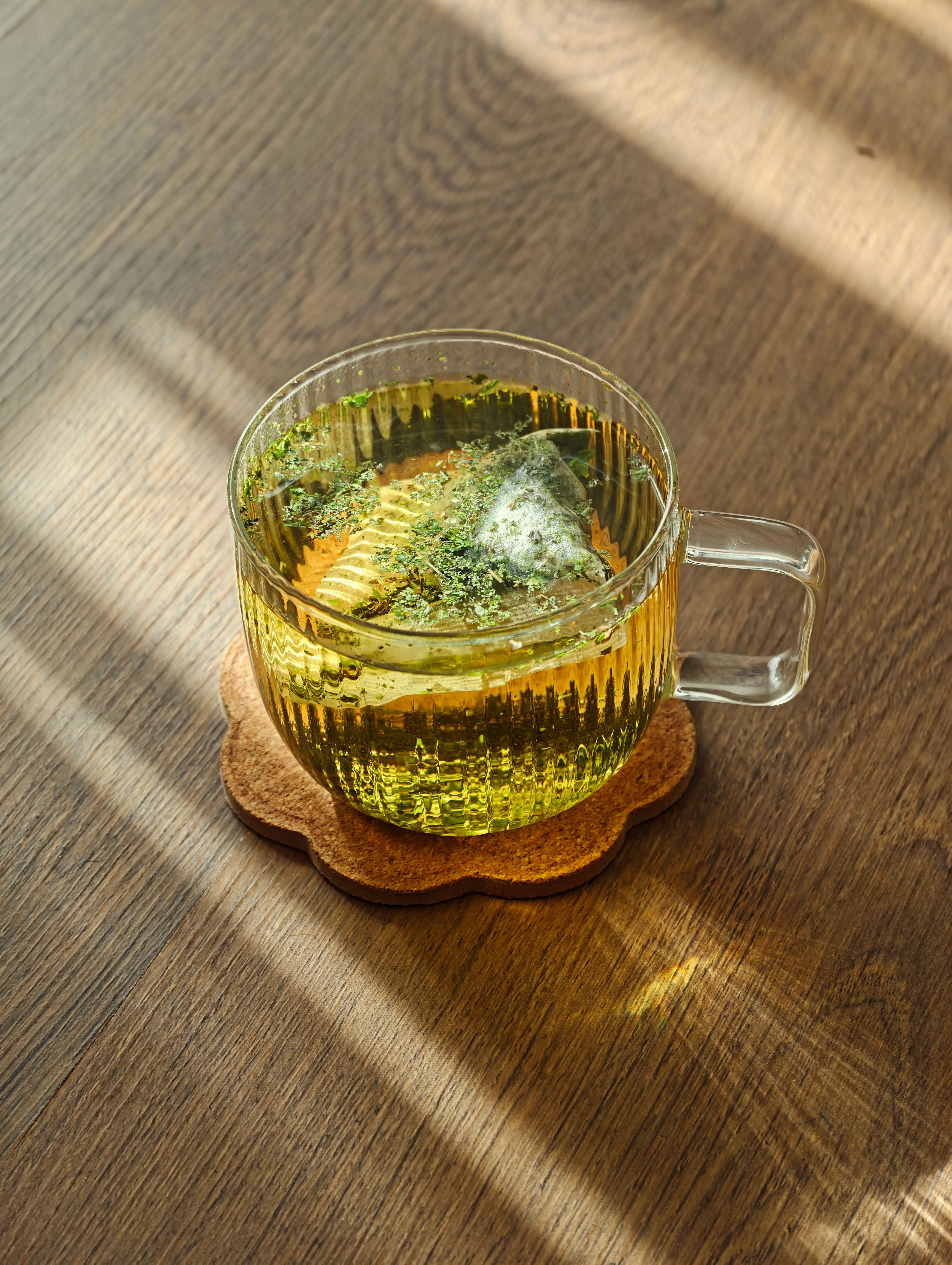
Green tea toner — one of the most well-researched natural ingredients for acne-prone and sensitive skin
Ingredients
- –1 cup green tea (brewed and fully cooled)
- –2–3 drops tea tree oil (optional — for acne-prone skin)
- –1 tablespoon apple cider vinegar (optional — for oily skin)
Instructions
- Brew one cup of green tea using one tea bag and allow to cool completely — at least 30 minutes.
- If using, add apple cider vinegar and stir well.
- If using tea tree oil, add 2–3 drops and mix.
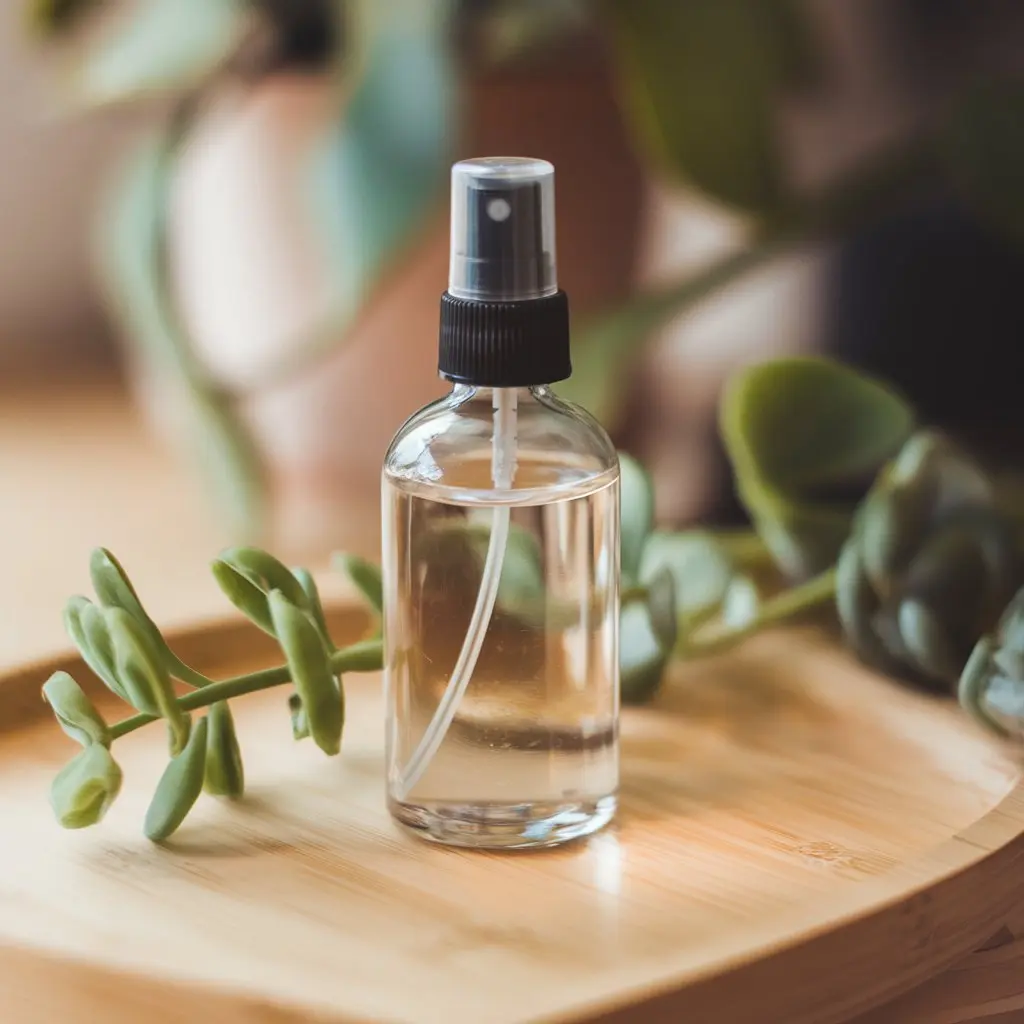
- Pour into a clean spray bottle or glass jar with a lid.
- Store in the refrigerator and use within one week.
After cleansing, spray directly onto your face or apply with a clean cotton pad. Allow to absorb fully — approximately 60 seconds — before applying serum or moisturiser. Use morning and evening.
Green tea is rich in polyphenols — specifically EGCG (epigallocatechin gallate) — one of the most potent antioxidants studied in skincare. These compounds fight free radical damage, reduce inflammation, and help protect the skin barrier against environmental stressors. Green tea also contains Vitamin B2 (riboflavin), which supports natural collagen production and helps maintain skin firmness, and Vitamin E, which strengthens the skin barrier and supports healing.
Best for: All skin types, particularly oily and acne-prone skin
Recipe 2: Rose Water & Witch Hazel Toner — For Sensitive Skin
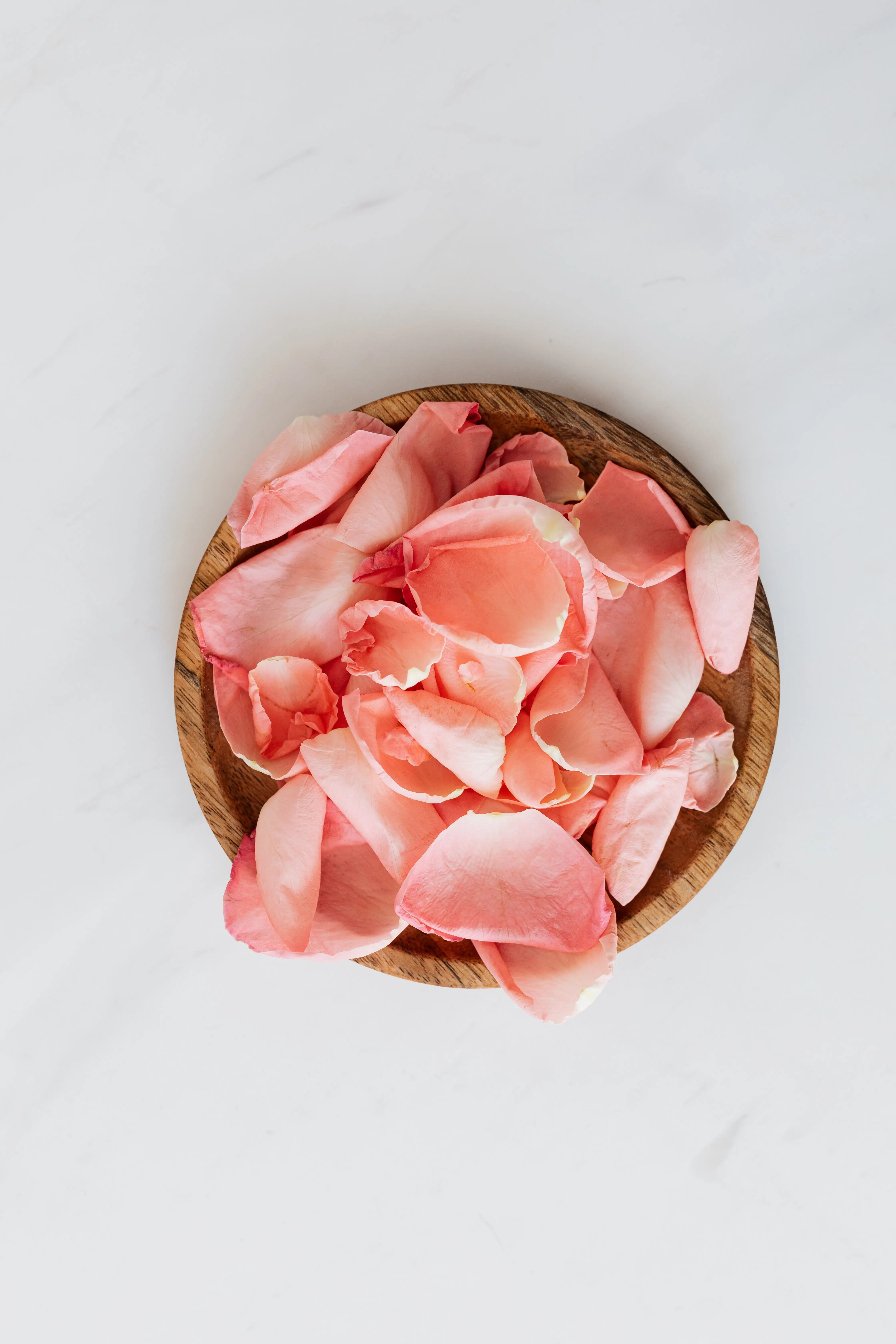
Rose petals — the key ingredient in the most soothing DIY toner for sensitive skin
Ingredients
- –½ cup rose water (pure, without added fragrance)
- –½ cup witch hazel (alcohol-free — this distinction matters)
- –5–7 drops lavender or chamomile essential oil (optional)
Instructions
- Combine rose water and witch hazel in a clean glass bottle.
- Add essential oil if using and close the lid.
- Shake gently before each use to combine.
- Store at room temperature or in the refrigerator for up to two weeks.
Apply with a cotton pad after cleansing, sweeping gently across the face and neck. Use morning and evening. Allow to absorb before continuing your routine.
Rose water is a potent antioxidant containing very high levels of polyphenols — naturally occurring antioxidants that strengthen the skin barrier and help fight free radical damage. Rose water is also deeply soothing with anti-inflammatory properties that calm redness and reduce irritation. Witch hazel naturally reduces sebum production and visibly minimises pore size — the critical detail here is to use alcohol-free witch hazel. The alcohol version is too stripping for most skin types. Together, rose water soothes and hydrates while witch hazel tightens and clarifies.
Best for: Sensitive, combination, and reactive skin
Recipe 3: Apple Cider Vinegar Toner — For Oily & Acne-Prone Skin
Ingredients
- –¼ cup raw apple cider vinegar (with "the mother")
- –¾ cup distilled water
- –5–7 drops tea tree oil (optional)
Instructions
- Combine apple cider vinegar and distilled water in a clean glass bottle — the dilution ratio is important, do not skip it.
- Add tea tree oil if using and mix well.
- Seal and store in a cool, dark place or the refrigerator.
Apply with a cotton pad, focusing on oily areas and any acne-prone zones. Use at night to begin — once or twice a week initially — and build up to daily evening use as your skin adjusts. Always follow with moisturiser. Always use SPF the next morning.
⚠️ Important: Never use undiluted apple cider vinegar on your skin. The ¾ cup water to ¼ cup ACV ratio in this recipe is the correct dilution for facial use. Undiluted ACV can cause chemical burns.
Apple cider vinegar contains acetic acid, citric acid, malic acid, and amino acids — together these deliver genuine antibacterial and antifungal action, which directly addresses the bacterial component of acne. The acid content helps dissolve dead skin cells that block pores, making it a mild chemical exfoliant as well as an antibacterial agent. Over time, regular use can lighten post-acne marks through gentle exfoliation.
Best for: Oily skin, acne-prone skin, and congestion
Recipe 4: Cucumber & Aloe Vera Toner — For Dry Skin
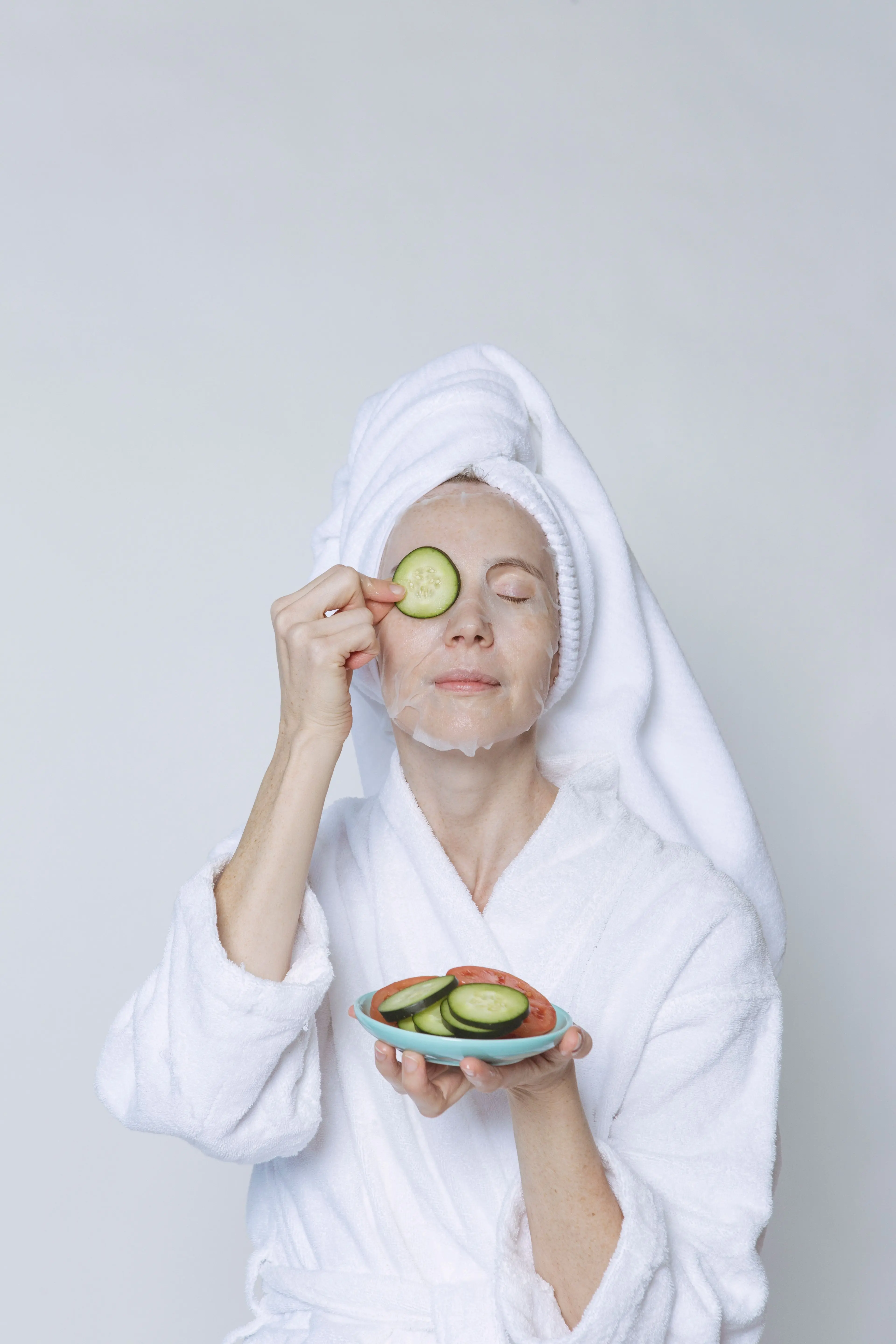
Cucumber — one of the most cooling, soothing, and hydrating ingredients for dry and sensitive skin
Ingredients
- –1 medium cucumber (blended and strained)
- –2 tablespoons pure aloe vera gel
- –¼ cup distilled water
Instructions
- Blend the cucumber until completely smooth.
- Strain through a fine mesh sieve or muslin cloth to extract juice only — discard the pulp.
- Combine cucumber juice, aloe vera gel, and distilled water in a clean glass jar.
- Mix well and store in the refrigerator for up to one week.
Apply after cleansing using a cotton pad or clean hands. Pat gently — do not rub. Allow to absorb for 60 seconds before applying serum and moisturiser. Especially soothing after sun exposure.
Cucumber contains Vitamin C, folic acid, caffeic acid, and natural astringents — together these calm irritation, reduce puffiness, and have a genuine mild brightening effect on dark circles when applied around the eye area. Aloe vera contains a compound called aloin, which has proven anti-inflammatory and antioxidant properties. Research has demonstrated that aloin can help reverse UV damage, particularly from sunburn, making this toner especially useful in summer or after a day of sun exposure.
Best for: Dry skin, dehydrated skin, sensitive skin, and post-sun recovery
Recipe 5: Fermented Rice Water Toner — For Brightening All Skin Types
Ingredients
- –1 cup uncooked rice (white rice — jasmine, basmati, or short grain)
- –2 cups water
- –2–3 drops tea tree oil (optional — add after fermentation)
Instructions
- Wash the rice twice under cold water to remove surface dirt, then drain.
- Place washed rice in a clean bowl and add 2 cups of water.
- Leave at room temperature, uncovered, for 24 hours — this is the fermentation stage.
- After 24 hours, strain the rice out and pour the fermented water into a clean glass jar or spray bottle.
- Add 2–3 drops of tea tree oil if using.
- Refrigerate and use within one week.
After cleansing, apply the fermented rice water toner using a clean cotton pad or spray directly onto skin. Pat gently — do not rub. Allow to absorb for 60–90 seconds before continuing your routine. Use morning and evening for best results.
Ferulic Acid
A potent antioxidant that neutralises free radicals and provides protection against UV-induced oxidative stress.
Kojic Acid
Naturally occurring during fermentation — a well-documented brightening compound that gradually reduces hyperpigmentation and dark spots.
Gamma-Oryzanol
Unique to rice — improves skin barrier function and reduces transepidermal water loss. Both antioxidant and anti-inflammatory.
Vitamins B & E
Nourish and protect the skin surface, support collagen maintenance, and improve overall skin texture with consistent use.
Why fermented and not plain? Fermentation reduces the molecule size of rice water's active compounds, meaning they penetrate the skin more effectively. Fermented rice water also produces additional beneficial compounds including natural lactic acid (a gentle AHA) and enhanced kojic acid for brightening.
Best for: All skin types — especially uneven tone, dullness, and hyperpigmentation
How to Store & Use Your DIY Toner Safely
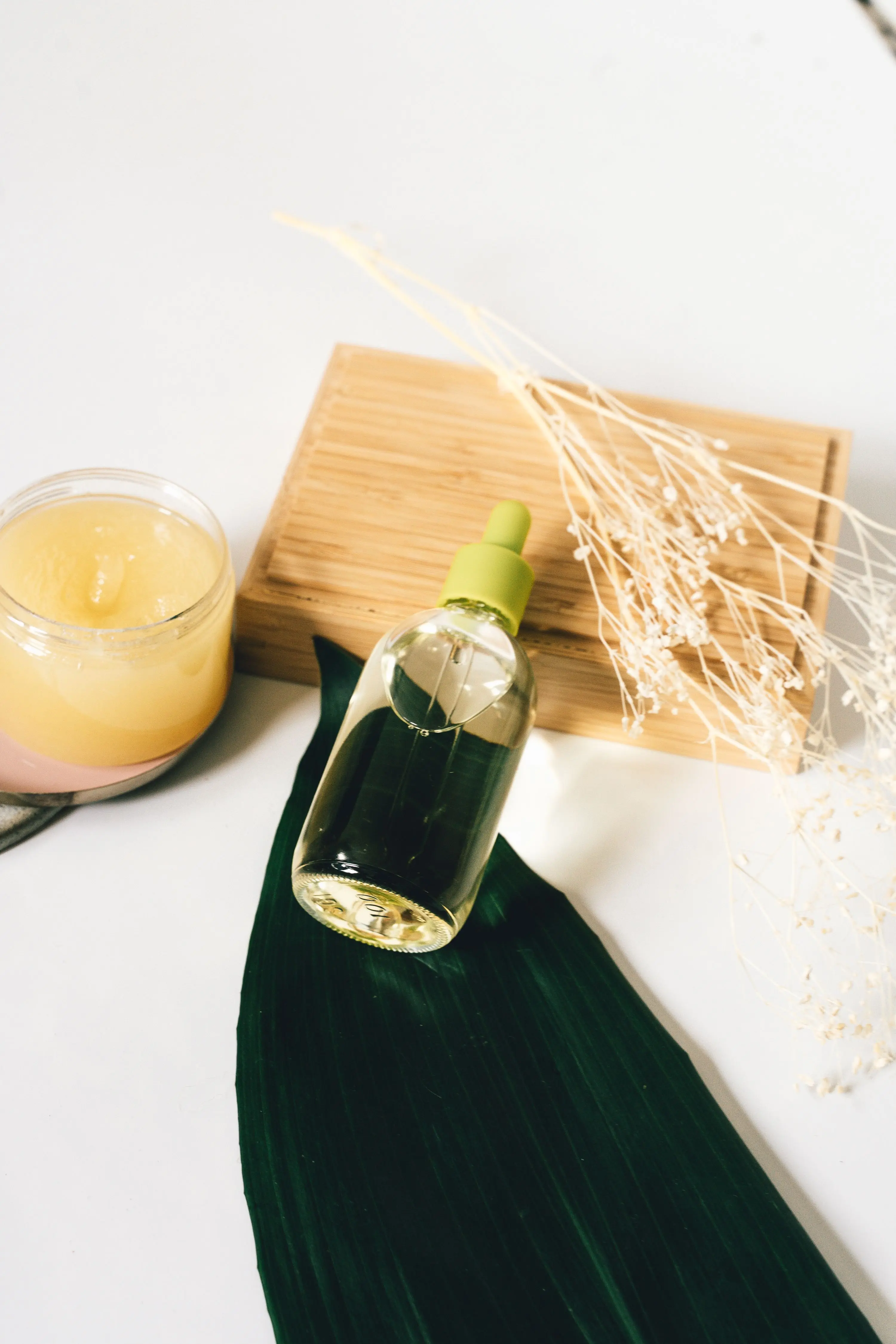
Store your DIY toner in clean glass bottles — refrigerated and used within one week
Use clean sterile containers
Wash bottles and jars in hot soapy water, then rinse with boiling water before using. Glass bottles are ideal — they are easy to sterilise and do not react with acidic ingredients like apple cider vinegar.
Refrigerate everything
DIY toners contain no preservatives. Refrigeration significantly extends their shelf life and adds a bonus cooling, depuffing effect when applied. Most recipes last approximately one week refrigerated.
Shake before every use
Natural ingredients separate over time — a quick shake before use ensures even distribution of all ingredients.
Always do a patch test first
Apply a small amount to the inside of your forearm or behind your ear and wait 24 hours before using on your face. This applies to every new recipe, every time.
Use SPF the following morning
Any recipe containing ACV, green tea, or rice water involves mild exfoliating compounds that increase sun sensitivity. SPF is non-negotiable — every single morning.
Common Mistakes to Avoid
Using undiluted ACV
The most common DIY toner mistake — undiluted ACV can cause chemical burns on facial skin. Always use the 1:3 ratio (one part ACV to three parts water) minimum.
Adding lemon juice
Lemon juice is frequently suggested in DIY skincare content and is one of the ingredients to avoid. Citrus juice contains psoralen, which significantly increases skin sensitivity to UV radiation.
Skipping the patch test
Even with entirely natural ingredients, individual skin reactions vary. A patch test takes 24 hours and protects you from a potential allergic reaction.
Keeping toner too long
Without preservatives, homemade toners can harbour bacteria after one week even when refrigerated. If your toner smells different, discard it and make a fresh batch.
Using tap water
The chlorine and mineral content in tap water can affect both the efficacy of your toner and its shelf life. Use distilled or filtered water in all recipes.
Expecting overnight results
DIY toners are gentle, consistent treatments. Most people see visible results in skin texture and tone within two to four weeks of consistent twice-daily use.
Quick Reference Guide
| Recipe | Skin Type | Key Ingredient | Main Benefit | Shelf Life |
|---|---|---|---|---|
| Green Tea | All skin types | EGCG polyphenols | Antioxidant, anti-acne | 1 week fridge |
| Rose Water & Witch Hazel | Sensitive | Tannins + polyphenols | Soothing, pore-tightening | 2 weeks fridge |
| Apple Cider Vinegar | Oily, acne-prone | Acetic acid | Antibacterial, pH balance | 1 week fridge |
| Cucumber & Aloe Vera | Dry, reactive | Aloin + Vitamin C | Deep hydration, soothing | 1 week fridge |
| Fermented Rice Water | All skin types | Ferulic acid + kojic acid | Brightening, barrier repair | 1 week fridge |
Skincare does not have to be expensive to be effective. Some of the most genuinely useful ingredients for your skin are already in your kitchen — you simply need to know how to use them.
— Aayushi Parmar, Pink & Ochre
Frequently Asked Questions
What is a DIY toner?
A DIY toner is a homemade skincare solution applied after cleansing and before serum and moisturiser. It balances the skin's pH, removes remaining residue after cleansing, and delivers targeted ingredients for your specific skin concern — all without the cost or ingredient complexity of commercial toners.
Which DIY toner is best for acne-prone skin?
The green tea toner with optional tea tree oil is the best DIY toner for acne-prone skin. Green tea's EGCG polyphenols have genuine antibacterial and anti-inflammatory action that reduces breakouts. The apple cider vinegar toner is also effective for oily, acne-prone skin.
What is the rice water toner and why is it viral?
Fermented rice water toner is a DIY skincare recipe based on an East Asian beauty tradition dating back centuries. It contains ferulic acid, kojic acid, gamma-oryzanol, and Vitamins B and E — compounds that together brighten skin tone, reduce hyperpigmentation, and deliver noticeable radiance with consistent use.
How long does homemade toner last?
Most DIY toners last approximately one week when stored in the refrigerator. The rose water and witch hazel toner can last up to two weeks due to witch hazel's natural preservation properties. If your toner smells different from when you made it, discard it and make a fresh batch.
Can I use DIY toner every day?
Yes — most recipes are gentle enough for twice-daily use morning and evening. The apple cider vinegar toner is the exception — begin with once daily in the evening and build up gradually. Always follow with moisturiser and SPF in the morning.
Do I need to do a patch test for DIY toners?
Always. Even entirely natural ingredients can cause individual reactions. Apply a small amount to the inside of your forearm or behind your ear and wait 24 hours before applying to your face. This is especially important for recipes containing tea tree oil or apple cider vinegar.
Is fermented rice water better than plain rice water?
Yes — significantly. Fermentation reduces the molecule size of rice water's active compounds, meaning they penetrate the skin more effectively. Fermented rice water also produces natural lactic acid and enhanced kojic acid content for brightening.
What should I avoid putting in a DIY toner?
Avoid undiluted apple cider vinegar (burn risk), lemon juice (increases UV sensitivity), and any essential oil you have not patch-tested. Also avoid tap water where possible — use distilled or filtered water for better results and longer shelf life.
Can I use these toners on my body as well as my face?
Yes. All five recipes are safe for body use. The apple cider vinegar toner is particularly effective on the chest and back for acne, and the cucumber and aloe vera toner is excellent for soothing dry or sun-exposed body skin.
If you enjoyed this, you might also love our complete guide to How to Get Glass Skin →