9 min read
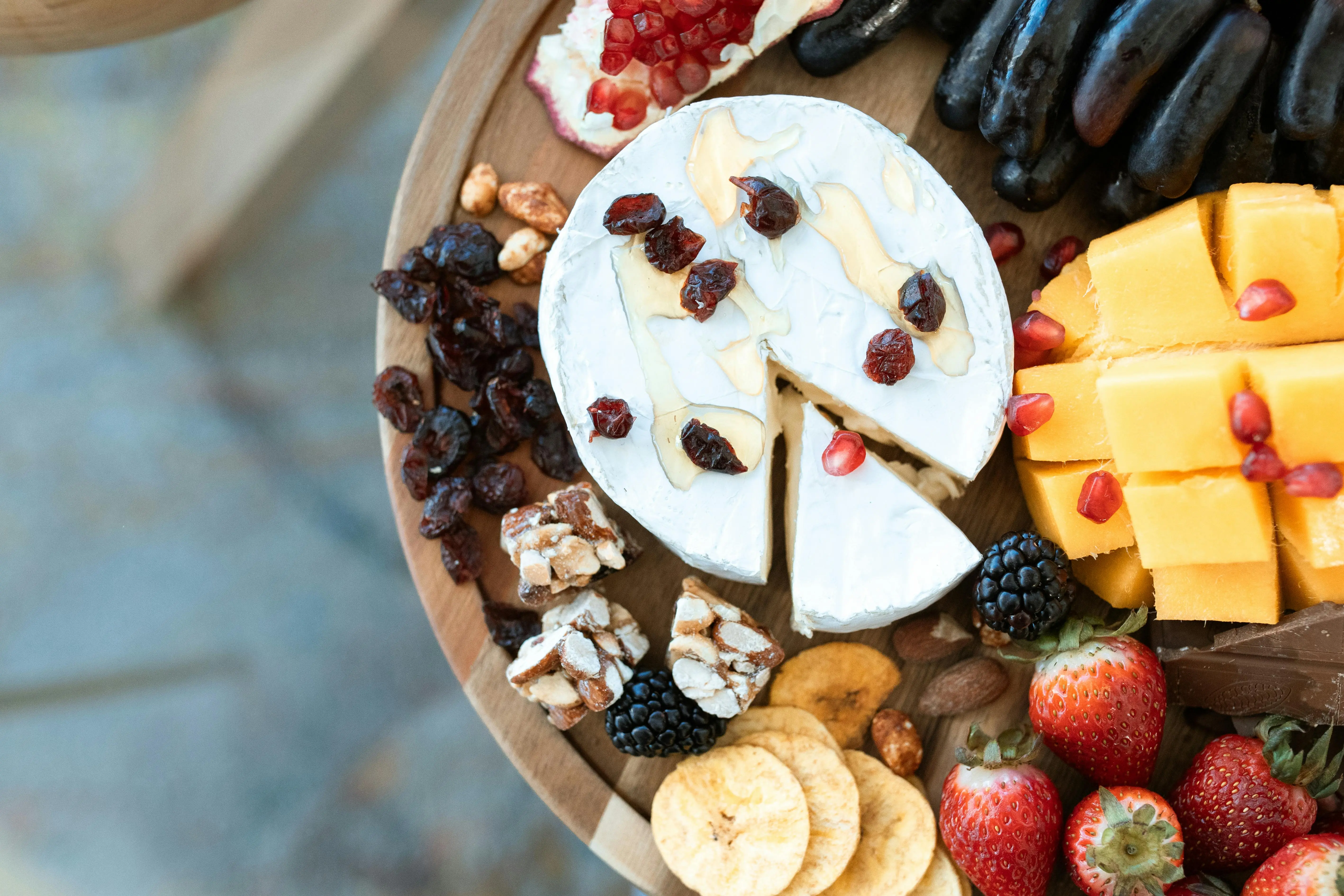
There is something about a well-styled grazing board that stops people mid-conversation. Before anyone reaches for a cracker, they reach for their phone.
That is the magic of a beautiful grazing board. It is food, yes — but it is also an experience, a centerpiece, and honestly, one of the easiest things you can make that looks like you spent hours on it (you did not). The philosophy behind a beautifully set table is the same one behind mindful living — choosing what you bring into your space and your day with genuine intention.
Whether you are hosting a baby shower, a girls' brunch, a holiday gathering, or a quiet Friday night with wine and your favorite people, a grazing board fits every occasion. And with a few simple styling tricks, yours can look like it came straight from Pinterest. If you love styling your home for entertaining, our throw pillow guide is worth bookmarking — the same principles of texture and colour layering apply beautifully to your living room.
This guide covers everything — what to put on a grazing board, how to style it beautifully, seasonal ideas, budget tips, and the exact step-by-step method to build one confidently every time.
Quick Answer
A grazing board is a styled spread of cheeses, cured meats, fruits, crackers, dips, and sweet accents arranged on a board or platter. To make it look aesthetic, use 3–4 textures, layer colors intentionally, fill gaps with small items like nuts and berries, and add a natural element like fresh herbs or flowers. It takes about 30 minutes and requires zero cooking.
Key Takeaways
- ✓A grazing board requires no cooking and takes around 20–30 minutes to assemble.
- ✓The rule of three works beautifully: choose 3 cheeses, 3 meats, 3 fruits for a balanced board.
- ✓Colors, textures, and heights make a board look aesthetic — not expensive ingredients.
- ✓Boards can be tailored to any occasion, season, dietary preference, or budget.
- ✓Small accents like honeycomb, fresh rosemary, and edible flowers elevate the look instantly.
- ✓A board for 6–8 people fits comfortably on a 20x14 inch wooden or slate board.
- ✓You can prep most components up to 24 hours in advance and assemble just before serving.
Table of Contents
- What Is a Grazing Board?
- Grazing Board vs Charcuterie Board
- The Complete Grazing Board Ingredients List
- How to Make an Aesthetic Grazing Board Step by Step
- Grazing Board Ideas by Occasion
- Seasonal Grazing Board Ideas
- Vegetarian and Vegan Grazing Board Ideas
- Grazing Board on a Budget
- Grazing Board Styling Tips That Actually Work
- Storage and Make-Ahead Tips
- Nutritional Overview
- Common Grazing Board Mistakes to Avoid
- FAQ — Everything You Need to Know
1. What Is a Grazing Board?
A grazing board is a curated spread of ready-to-eat foods — typically cheeses, cured meats, fresh and dried fruits, crackers, dips, and sweet extras — arranged on a board, platter, or slate for sharing.
The word "grazing" comes from the relaxed, no-fuss nature of eating this way. Guests wander over, pick what they like, mix flavors, and come back for more. There is no plating, no serving, no formal structure. Just good food, beautifully arranged.
Grazing boards have evolved far beyond traditional charcuterie into a full lifestyle aesthetic — one that shows up constantly on Pinterest, Instagram, and TikTok because they photograph so beautifully and can be customized endlessly.
2. Grazing Board vs Charcuterie Board — What Is the Difference?
A charcuterie board focuses primarily on cured meats with cheese as a supporting element. A grazing board is broader — it is a full spread that can include meats, cheeses, fruits, vegetables, dips, bread, sweets, and more.
| Feature | Charcuterie Board | Grazing Board |
|---|---|---|
| Main focus | Cured meats | Everything — meats, cheese, fruit, dips |
| Scope | Narrow | Wide and flexible |
| Occasion | Wine night, appetizer | Any occasion, any meal |
| Customization | Moderate | Very high |
| Vegetarian-friendly | Harder to adapt | Easy to adapt |
| Pinterest aesthetic | Classic | Highly styleable |
In everyday use, the terms are often used interchangeably. For the purposes of this guide, a grazing board means a full, generous, styled spread.
3. The Complete Grazing Board Ingredients List
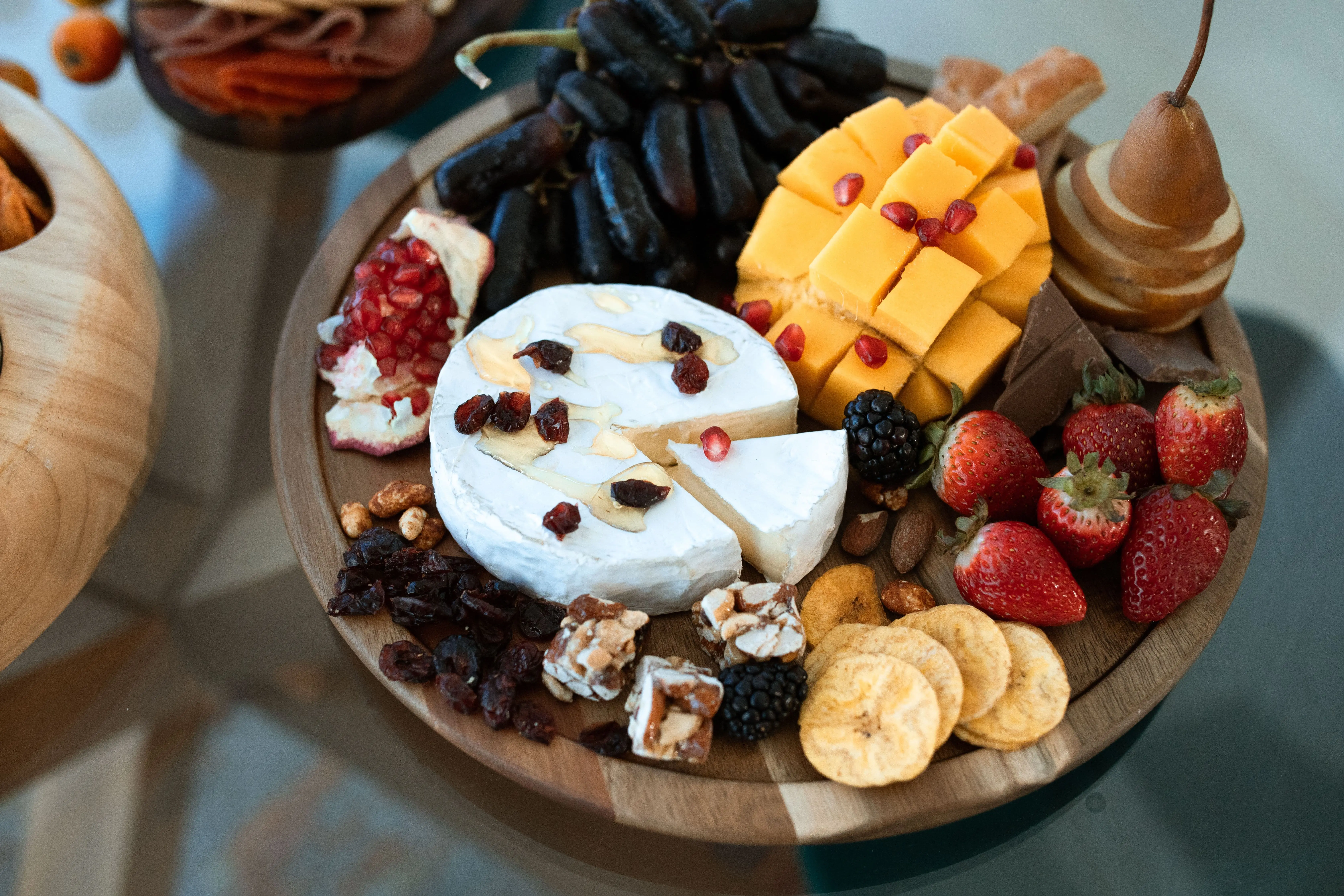
Here is a master list to build any grazing board from. You do not need everything — pick 2–3 from each category.
Cheeses (Choose 3)
- Soft: Brie, Camembert, goat cheese, burrata
- Semi-hard: Gouda, Havarti, fontina, Manchego
- Hard: Aged cheddar, Parmigiano-Reggiano, Gruyère
- Blue: Gorgonzola, Stilton, Roquefort
Pro Tip: One soft, one medium, one hard is the classic formula. Add a blue if your guests are adventurous.
Cured Meats (Choose 2–3)
- Prosciutto di Parma
- Salami (Genoa, spicy, or truffle)
- Sopressata
- Smoked salmon (for a lighter, elegant option)
- Pepperoni
Crackers and Bread (Choose 2–3)
- Water crackers (neutral, classic)
- Seeded crackers (texture and visual interest)
- Crostini or baguette slices
- Lavash or flatbread
- Gluten-free crackers (to be inclusive)
Fresh Fruits (Choose 2–3)
- Red and green grapes
- Strawberries
- Sliced figs
- Apple or pear slices
- Raspberries or blackberries
Dried Fruits and Nuts
- Dried apricots
- Medjool dates
- Candied walnuts
- Marcona almonds
- Pistachios (shells on for styling, shelled for eating)
Dips and Spreads
- Fig jam or fruit preserves
- Honeycomb or runny honey
- Whole grain or Dijon mustard
- Hummus
- Olive tapenade
Sweet Accents (Optional but Magical)
- Dark or milk chocolate squares
- Mini meringues
- Macarons
- Shortbread cookies
Garnishes for Aesthetics
- Fresh rosemary or thyme sprigs
- Edible flowers
- Fresh basil leaves
- Microgreens
4. How to Make an Aesthetic Grazing Board Step by Step
What You Need
- A wooden board, slate, or marble platter (20x14 inches for 6–8 people)
- Small ramekins or ceramic bowls (for dips and jams)
- Cheese knives
- Toothpicks or small tongs
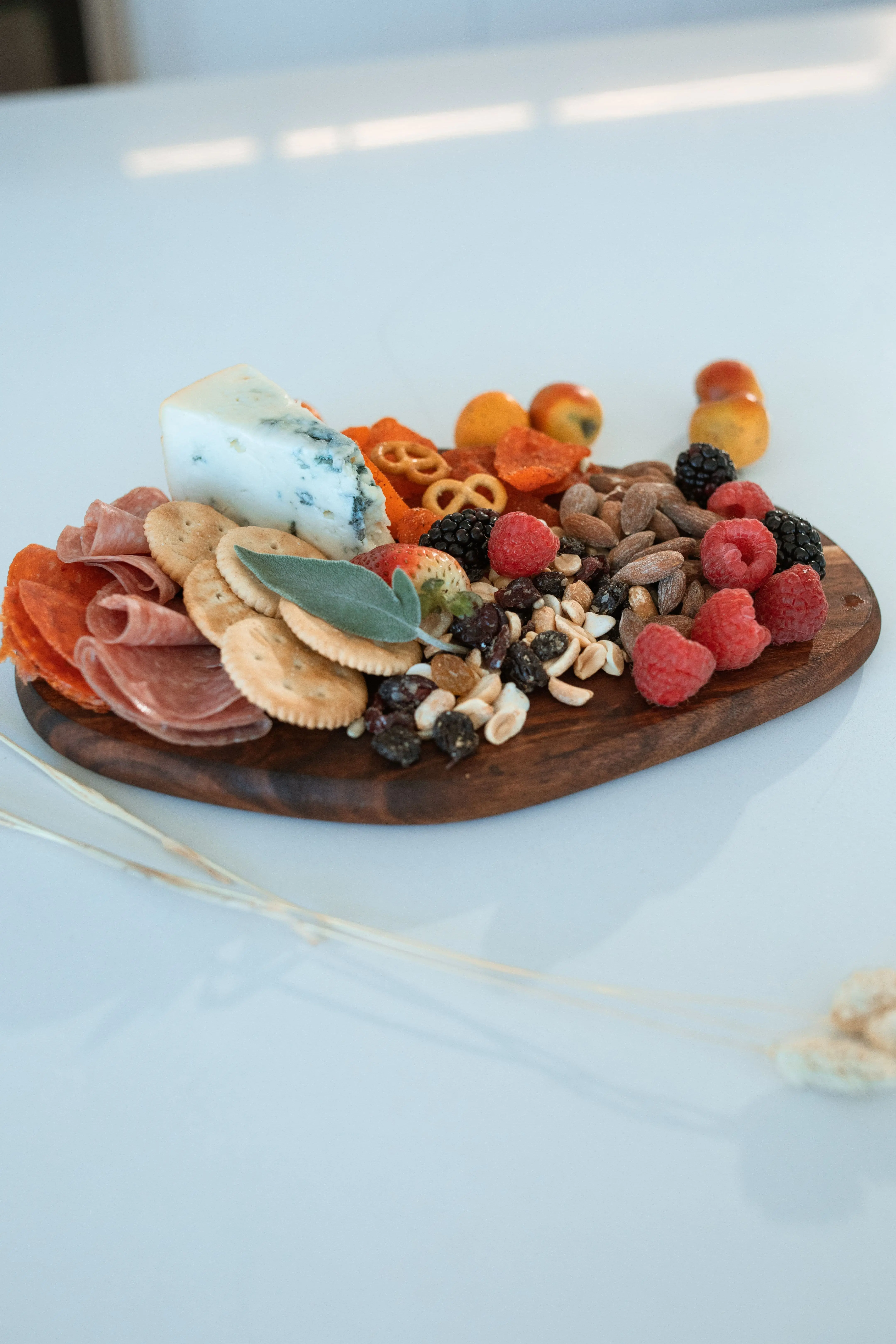
Step 1 — Place Your Anchor Items First
Start with your cheeses. Place them in different corners of the board — not clustered together. These are your visual anchors. Add small bowls of jam, honey, and dips at this stage too. These create height and structure.
Step 2 — Add Your Meats
Fold prosciutto into loose ribbons. Fan salami slices in an overlapping pattern. Roll thinner slices into small roses. Place meats near cheeses so flavors can be paired naturally.
Step 3 — Build Your Cracker Lines
Tuck crackers alongside and between the cheese and meat sections. Fanning them outward looks especially elegant. Use two or three types for visual variety.
Step 4 — Fill With Fruits and Vegetables
Place grapes in generous clusters. Fan apple or pear slices. Scatter berries into empty spaces. Fruits add color and freshness — do not be shy with the amount.
Step 5 — Add Nuts and Dried Fruits
Pour nuts and dried fruits into the gaps. These are your fillers — they make the board look abundant and prevent empty spaces from showing.
Step 6 — Add Sweet Accents
Tuck chocolate squares, mini meringues, or a few macarons into corners. These surprise elements delight guests and photograph beautifully.
Step 7 — Garnish and Finish
Add sprigs of rosemary, fresh thyme, or edible flowers last. These give the board a florist-meets-food-stylist quality that elevates the entire look.
Total assembly time: 20–30 minutes.
5. Grazing Board Ideas by Occasion
Brunch Board
Lighter, fresher ingredients: smoked salmon, cream cheese, cucumbers, bagel chips, capers, lemon wedges, fresh berries, soft cheeses and honey. Add mini croissants for a café feel.
Birthday Party Board
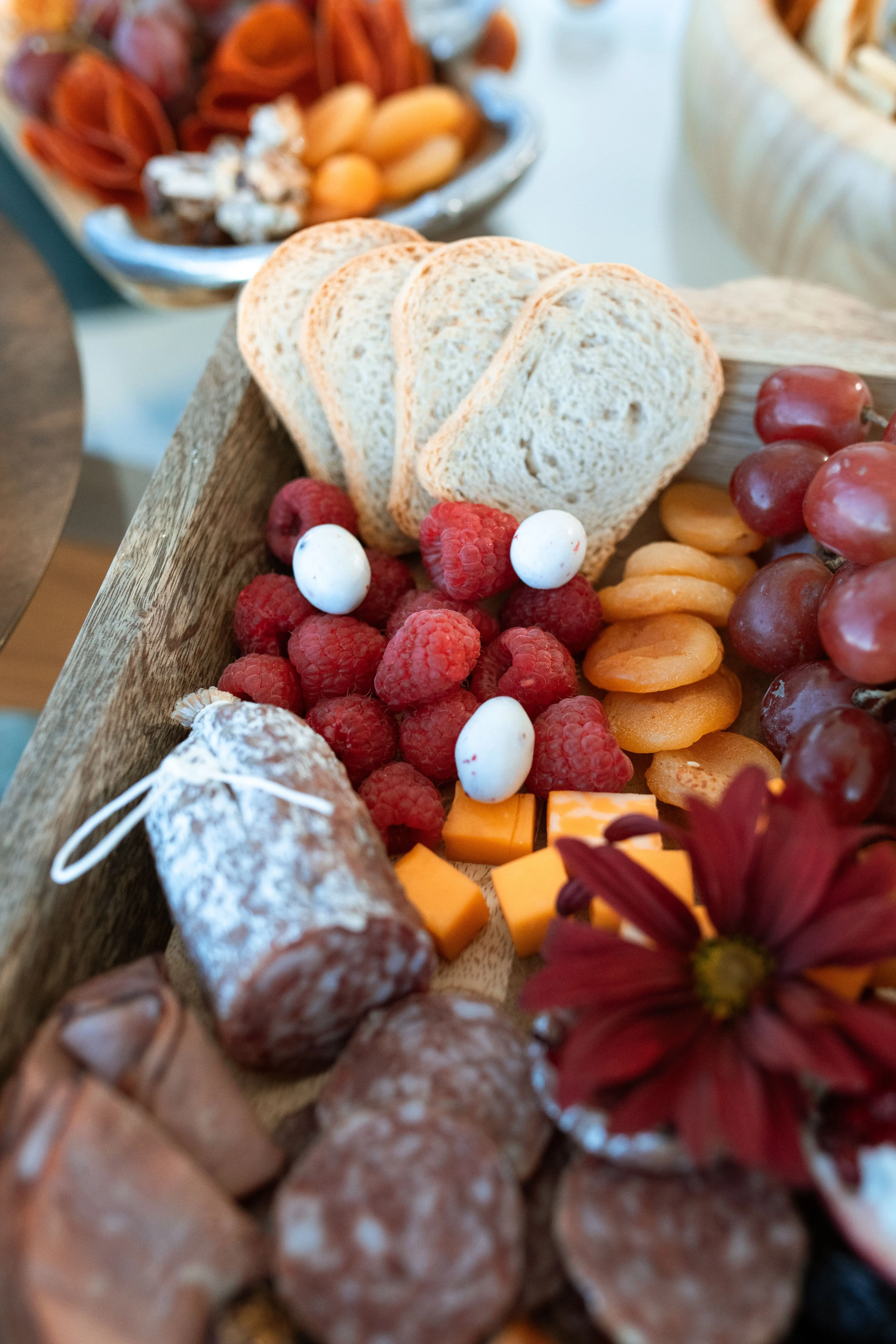
Generous and colorful. A mix of everyone's favorites — varied cheeses, salami roses, lots of fruit, and sweet accents like chocolate and macarons. Match the color palette to the party theme.
Girls' Night In Board
Indulgent and beautiful. Brie, prosciutto, dark chocolate, raspberries, champagne grapes, candied nuts, and fig jam. Add a small candle nearby and it becomes a whole mood.
Baby Shower Board
Elegant and fresh. Soft cheeses, smoked salmon, cucumber rounds, pastel-colored fruits, meringues, and white chocolate. Use a pale linen underneath the board for the aesthetic.
Holiday Board
Lean into seasonal colors. For Christmas: cranberries, rosemary, pomegranate seeds, aged cheddar, dark chocolate. For Thanksgiving: roasted nuts, dried apricots, apple slices, brie, and honey.
Date Night Board for Two
Smaller, more curated. One soft cheese, one hard, prosciutto, a few crackers, strawberries, honeycomb, and dark chocolate. Serve on a small marble board with a glass of wine.
6. Seasonal Grazing Board Ideas
🌸 Spring Board
Cherry tomatoes, radishes, snap peas, soft goat cheese, smoked salmon, cucumber rounds, light crackers, strawberries, edible flowers. Bright colors and a fresh vibe.
☀️ Summer Board
Watermelon cubes, stone fruits (peaches, nectarines), fresh mozzarella, prosciutto, mint leaves, baguette slices, and chilled rosé-friendly ingredients. Light and vibrant.
🍂 Autumn Board
Sliced pears and apples, dried figs, Gouda, aged cheddar, smoked meats, rosemary crackers, pomegranate seeds, cinnamon-spiced nuts, and fig jam. Warm, golden, cozy.
❄️ Winter Board
Cranberries, orange slices, blue cheese, Manchego, prosciutto, dark chocolate, roasted walnuts, shortbread, and star anise for styling. Rich and festive.
7. Vegetarian and Vegan Grazing Board Ideas
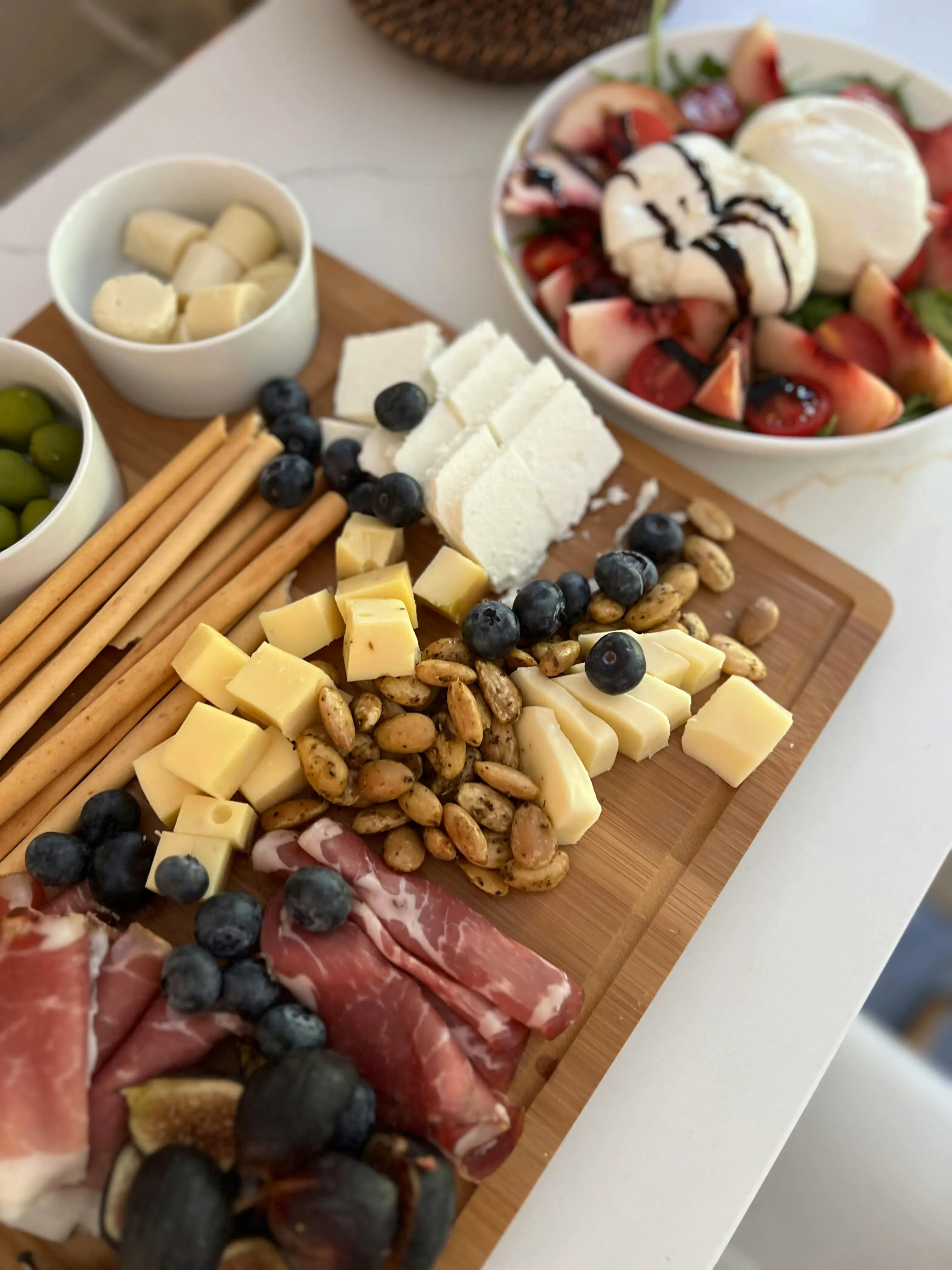
You do not need meat or dairy to build a stunning board.
Vegetarian Board Swaps
Replace cured meats with: roasted red peppers, marinated artichoke hearts, smoked tofu slices, or caprese skewers.
Vegan Board Ideas
- Cheeses: Cashew brie, almond-based gouda, coconut milk cream cheese
- Proteins: Chickpeas, edamame, marinated olives
- Dips: Hummus, baba ghanoush, white bean dip
- Sweet: Dark chocolate (check for dairy-free), dried mango, Medjool dates
A vegan grazing board is actually one of the most colorful and photogenic you can build — fruits, vegetables, vibrant dips, and herbs create a rainbow on the board.
8. Grazing Board on a Budget
A stunning grazing board does not require premium prices. Here is how to keep costs down without sacrificing the aesthetic.
| Strategy | How to Do It |
|---|---|
| Shop at Trader Joe's or Aldi | Both carry affordable brie, salami, and quality crackers. |
| Buy one premium item | Splurge on honeycomb or good prosciutto; go budget elsewhere. |
| Use seasonal fruit | In-season fruit is cheaper, tastier, and more colorful. |
| Bulk nuts and dried fruit | Buy from bulk bins or large bags and portion out. |
| Use pantry staples | Crackers, olive oil, mustard, and jams are often already in your kitchen. |
Estimated budget for a board serving 6–8 people: $30–$55 USD at most grocery stores.
9. Grazing Board Styling Tips That Actually Work
These are the tricks food stylists use that make any board look editorial.
01 · Use odd numbers
Three cheeses, five clusters of grapes, seven crackers fanned together. Odd numbers look more natural and less rigid.
02 · Create height
Stack crackers slightly upright. Use a small bowl to raise one element. Fold meats into layers. Dimensional boards look luxurious.
03 · Think in color zones
Group similar tones together, then contrast across the board. Pale cheeses next to deep red grapes next to golden crackers.
04 · Never leave a visible gap
If you see empty board space, fill it. Nuts, berries, herbs, or extra crackers — pack it generously. Abundance is the whole aesthetic.
05 · Add something unexpected
A jar of honeycomb. A sprig of lavender. A few edible flowers. One surprising detail makes people say "wow."
06 · Fold your meats
Never lay deli meat flat. Fold prosciutto into ribbons. Stack and fan salami. Roll thin slices into roses. Folded meat looks expensive.
And one more: use natural surfaces. A wooden board, a piece of parchment paper, or a linen napkin underneath photographs beautifully and signals handmade care.
10. Storage and Make-Ahead Tips
How far in advance can you make a grazing board? You can prep all components up to 24 hours ahead and store them separately. Assemble the board no more than 1–2 hours before serving for the freshest look and taste.
- Wrap cheeses individually in wax paper and refrigerate.
- Store crackers in an airtight container at room temperature.
- Keep cut fruits in a sealed container in the fridge.
- Arrange the board, then cover loosely with plastic wrap and refrigerate until 20 minutes before serving (to take off the chill).
How long does a grazing board last? Once assembled and at room temperature, a grazing board is best enjoyed within 2 hours. After that, meats and soft cheeses begin to lose their quality.
Storing leftovers: Place meats, cheeses, and fruits into separate airtight containers. Refrigerate and consume within 24 hours. Store crackers separately at room temperature to maintain their crunch.
11. Nutritional Overview (Per Serving, Approximate)
Based on a standard mixed grazing board serving of approximately 150g per person.
| Nutrient | Approximate Amount |
|---|---|
| Calories | 280–350 kcal |
| Protein | 12–16g |
| Total Fat | 18–22g |
| Carbohydrates | 14–18g |
| Fiber | 1–3g |
| Sodium | 450–600mg |
Note: Nutritional values vary significantly based on ingredients chosen. Vegetarian and fruit-forward boards will be lower in sodium and saturated fat. Always check labels for specific dietary needs.
12. Common Grazing Board Mistakes to Avoid
Overloading one section
Spread ingredients across the entire board. Clustering everything in the center looks heavy and makes it hard to serve.
Using only one cracker
Variety is key — visually and for taste. Two or three types of crackers give guests options and add texture.
Forgetting a soft element
A board of all hard cheeses and dry crackers feels rigid. Always include something creamy — brie, goat cheese, hummus, or a dip.
Skipping the garnish
Fresh herbs and flowers take two minutes to add and completely transform the look. Non-negotiable for an aesthetic board.
Making it too small
A sparse board looks underwhelming. Better too much food than too little. Abundance is part of the appeal.
Serving straight from the fridge
Cold cheese is harder to cut and taste. Remove cheeses from the refrigerator 30 minutes before assembling.
Scaling Up — Grazing Tables for Large Gatherings
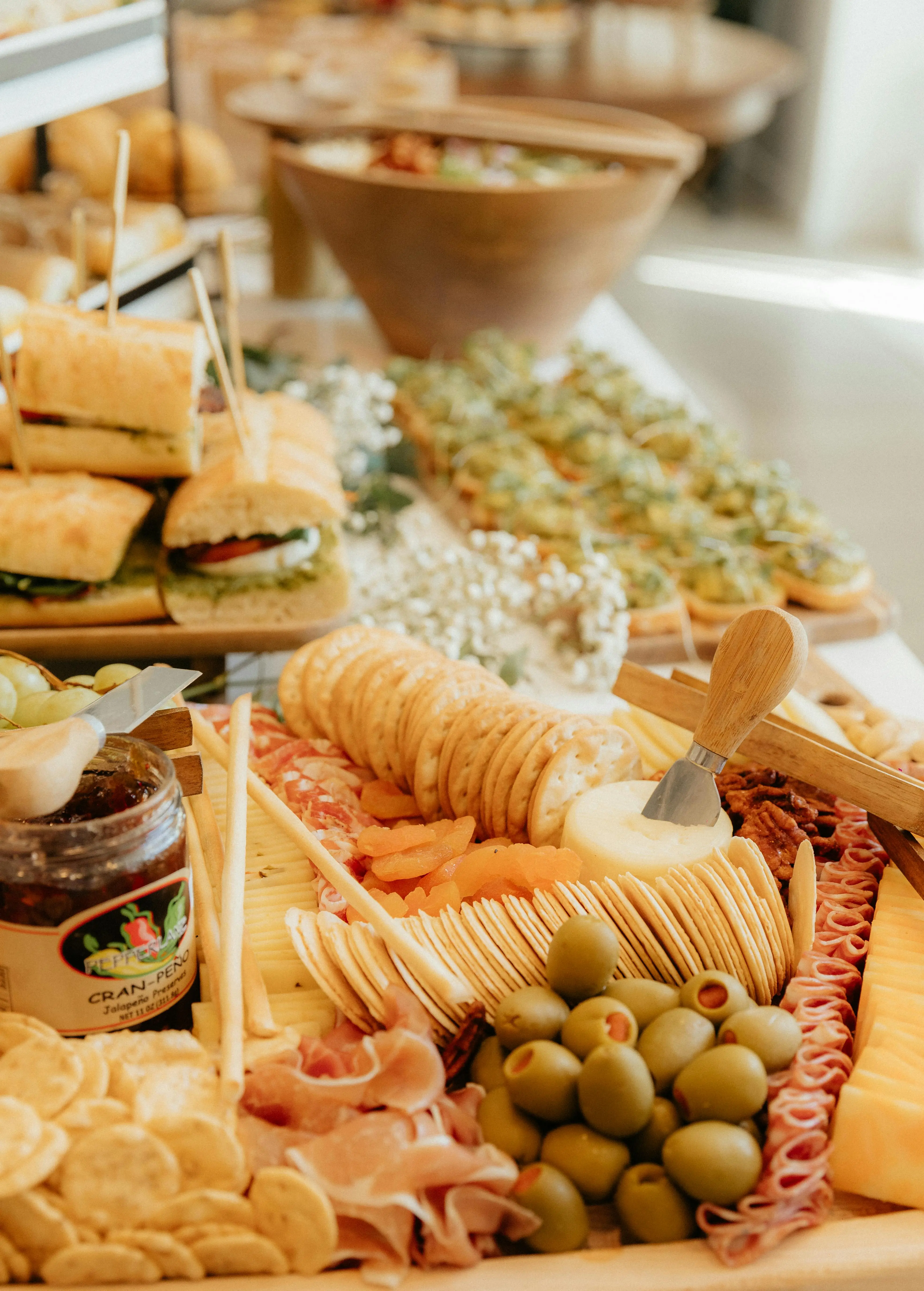
For 15 or more guests, skip the single board and build a grazing table. Lay butcher paper or a linen runner across a dining table, then arrange the same elements — cheeses, folded meats, fruit clusters, dips in bowls, crackers, nuts, and garnishes — in flowing diagonal sections from end to end. Work in repeating color zones so the abundance reads as intentional rather than chaotic, and keep refill bowls nearby so the table looks full all evening. The same styling rules apply, just on a grander, more generous scale.
Frequently Asked Questions
What do you put on a grazing board?
The classic combination includes 2–3 cheeses, 2 cured meats, fresh and dried fruits, crackers, a jam or dip, nuts, and a sweet element. You can swap, add, or remove any category based on your preferences or dietary needs.
How do you make a grazing board look aesthetic?
Use varied colors, textures, and heights. Fill every gap with small items like nuts and berries. Fold meats rather than laying them flat. Add a fresh herb or edible flower as a finishing garnish, and use a beautiful wooden or marble board as your base.
What is the difference between a grazing board and a charcuterie board?
A charcuterie board centers on cured meats as the main feature. A grazing board is broader and more flexible, including a full spread of foods across multiple categories — making it easier to customize for different diets and occasions.
How much food do I need for a grazing board for 10 people?
For 10 people as an appetizer: approximately 400–500g of mixed cheese, 300g of meats, 2 boxes of crackers, and generous amounts of fruits and extras. As a main or full grazing table, double those quantities.
How far in advance can I make a grazing board?
Prep ingredients up to 24 hours ahead. Assemble the board 1–2 hours before serving. Cover with plastic wrap and refrigerate, removing 20 minutes before guests arrive.
Are grazing boards expensive to make?
Not at all. A beautiful board for 6–8 people can be made for $30–$55 USD by shopping at Trader Joe's, Aldi, or Costco and choosing 1–2 premium items (like honeycomb) alongside budget-friendly basics.
What cheese goes best on a grazing board?
The ideal combination is one soft (brie or goat cheese), one semi-hard (Gouda or Havarti), and one hard (aged cheddar or Manchego). This gives guests a range of flavors and textures and ensures the board looks visually varied.
Can I make a vegetarian grazing board?
Absolutely. A vegetarian grazing board can be stunning — think marinated vegetables, roasted peppers, multiple cheeses, hummus, fresh and dried fruits, nuts, and crackers. Some of the most colorful boards are entirely vegetarian.
What board size do I need?
For 4–6 people: a 16x12 inch board works well. For 6–10 people: aim for a 20x14 inch board or larger. For 15+ people, consider a full grazing table spread on butcher paper across a dining table.
What do you put under a grazing board for photos?
A piece of textured linen, a marble slab, a natural wood surface, or a simple piece of parchment paper all work beautifully as backgrounds. Avoid busy patterns that compete with the food.
Can I use a regular cutting board for a grazing board?
Yes, absolutely. A large wooden cutting board works perfectly. The beauty of grazing boards is that the board itself does not need to be expensive — the styling is what makes it look special.
At a Glance — Quick Facts
- Assembly time: 20–30 minutes
- Cost for 6–8 people: $30–$55 USD
- Board size for 6–8 people: 20x14 inches
- Calories per serving (approx): 280–350 kcal
- Make-ahead: Up to 24 hours (components); 1–2 hours (assembled)
- Best storage: Airtight containers in the fridge; assemble fresh
- Room temperature limit: 2 hours maximum
Summary Table
| Category | Best Choices | Quantity (for 8) |
|---|---|---|
| Cheese | Brie, Gouda, aged cheddar | 400–500g total |
| Meats | Prosciutto, salami | 250–300g total |
| Crackers | Water crackers + seeded | 2 boxes |
| Fresh fruit | Grapes, strawberries, figs | 300g total |
| Dried fruit/nuts | Almonds, dates, apricots | 1 cup each |
| Dips | Fig jam, honeycomb | 2–3 small jars |
| Garnish | Rosemary, edible flowers | As needed |
A grazing board is one of those rare things in entertaining that looks extravagant but is genuinely simple. Once you make your first one, you will wonder why you ever served food any other way. Start with what you love, build outward from there, and do not forget the rosemary.
If you enjoyed this, you might also love our Low Cortisol Morning Routine guide →